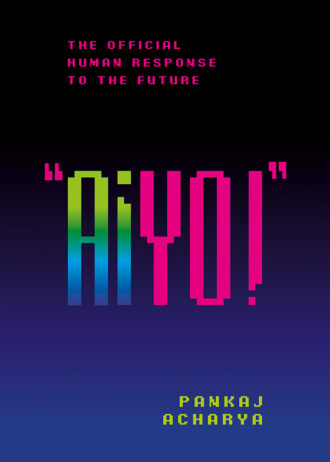
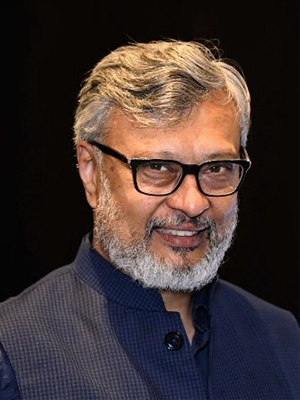
Pankaj Acharya is an Electronics Engineer and an MBA who chose advertising over a predictable path. In 1995, at twenty-five, he started his first agency from a small room in Indore, with no clients and no safety net.
Nearly three decades later, he is founder of Purple Focus and IPF Communications, and is a director with Fusion Events. He was also a co-founder of Saints & Warriors Communications, known for the iconic “Yeh Tou Bada Toing Hai” campaign for Amul Macho. In 2012, he ended his relationship with his partner and moved on. He has built and shut down ventures with equal honesty. Mad(e) in India, a lifestyle and souvenir brand celebrating Indian identity, was one such experiment. The pandemic killed it in 2020. Not every bet survives; he learned that lesson with his own money.
He is also the founder of Wondertech Entertainment, the company behind Clicktra, a family entertainment destination designed around play, movement and togetherness. A lifelong tech enthusiast and compulsive early adopter, he began working seriously with generative AI in 2022—not as a spectator, but as a daily user: testing it, breaking it and observing what it does to thinking, attention and team culture.
He has spent his working life at the intersection of culture and commerce. He has built campaigns, businesses and teams in a world where attention is expensive and trust is fragile. He has seen how language can change behaviour. He has also seen how quickly language gets hijacked when speed becomes the only KPI. People do not buy logic; they buy a story that makes them feel seen, safe and respected. He has taught advertising and communication at management institutes, spoken on marketing and human behaviour at conferences and public forums, served on advisory boards of educational institutions and mentored young entrepreneurs with the only currency that matters—honest feedback.
AIYO is written from that position—not from a research lab, not from a policy think tank, not from a Silicon Valley podium, but from the floor of the persuasion industry itself. By someone who has pulled the levers for a living, and now watches those same levers get handed to machines. It is a field manual for the human core—not sentimental, not merely practical, but built for the lived tension of our time: the tension between convenience and character, between delegation and dignity, between being assisted and being replaced, outsourcing your mind and owning your life. He writes in the language of everyday India and the language of boardrooms because he has lived in both. He believes the next decade will not be won by the smartest prompts; it will be won by the clearest humans—the ones who can think without noise, choose without panic and build without losing themselves. When he is not writing, he is building. He works with teams exploring AI-first creative workflows, new business models and better ways to make technology serve people rather than shrink them. He lives with his family in Indore.